
Rewetting the Külsenmoor Nature Reserve
Vermilion is supporting the ecological restoration of the Külsenmoor Nature Reserve (Rösenbergheide / Külsenmoor), a ~240-hectare peatland designated within the EU Natura 2000 network in Lower Saxony. The project is led by Lower Saxony State Forests (Unterlüß Forestry Office), with Vermilion providing financial support.
Peatlands are critical ecosystems and natural carbon sinks. For many years, the water level in the Külsenmoor peatland had been declining due to the sand-gravel layer beneath the bog, leaving the moor dry and fragile. This peatland is an important habitat for specialized species such as the bog fritillary butterfly, the bog lily and the lung gentian wildflower. Intact and rewetted peatlands help keep carbon stored in water-saturated soils and, over time, can support the recovery of peat-forming vegetation.
"We wanted to contribute to a tangible local conservation project with a real environmental impact," says Jeff Davies, Managing Director of the German Business Unit, where Vermilion has been operating since 2014. "The Külsenmoor project shows what collaborative action can achieve for biodiversity in the regions where we operate."
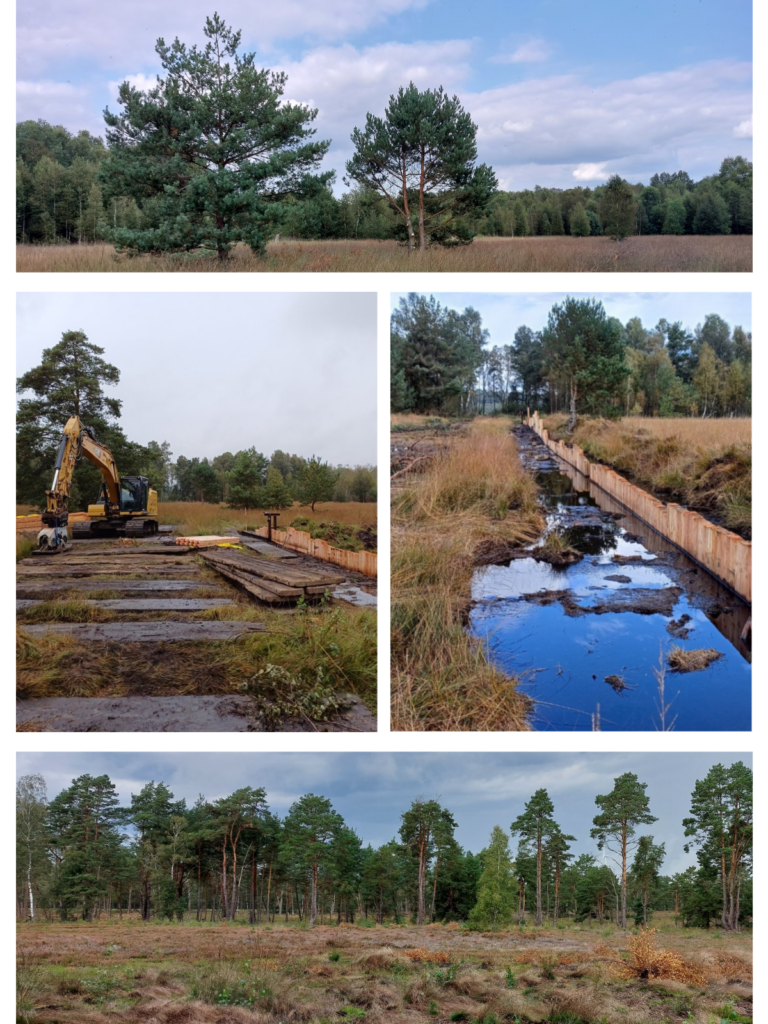
Phase 1 (completed in 2024) focused on hydrological restoration. A 200-metre wooden sheet-pile barrier was installed to stabilize groundwater. The team carefully planned the construction to minimize the disturbance of hibernating species and fluctuating water levels. Approximately 2,200 m2 of shrubs and young trees were also removed to restore natural water flow and reduce evapotranspiration.
Early results are encouraging. According to independent Unterlüß Forestry Office monitoring (2015-2024), groundwater levels in parts of the site have risen by up to 40 cm, and active raised bog vegetation increased from 4,200 m² to 6,500 m² (a measurable 50% increase). Field observations have recorded re-established characteristic bog plants and animal species within the project area following rewetting; ongoing surveys will assess long-term persistence over time.
“It’s amazing to see how quickly nature responds when you give it a chance,” says Christoph Rothfuchs, Forestry office Unterlüß. “Every plant, every dragonfly, every bird returning is a small victory.”
What's Next
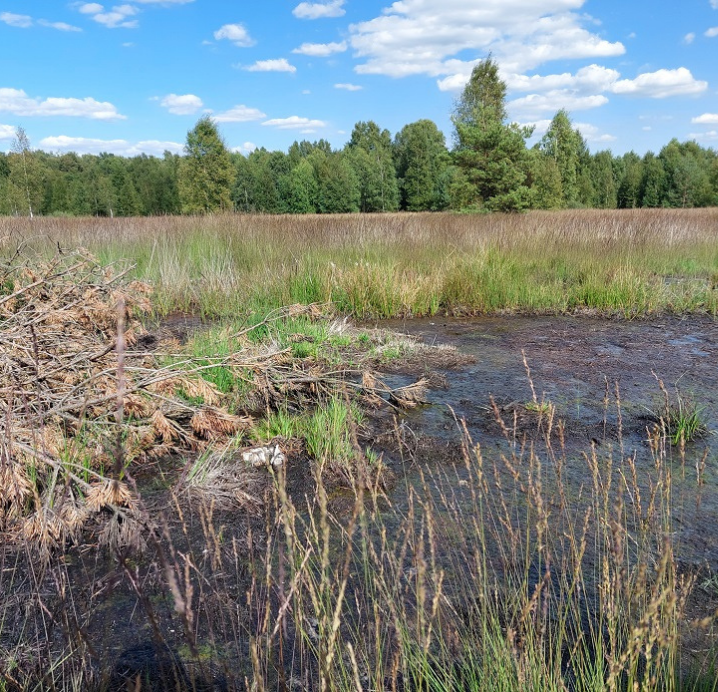
Phase 2, targeted for 2026, includes further hydrological engineering through the construction of a dam at the transition from the moor to the stream floodplain. This infrastructure is designed to improve water retention and systematically slow outflows. Project execution is subject to permitting, hydrological conditions and partner approvals, ensuring the work aligns with regional conservation standards.
Guided tours hosted by the Unterlüß Forestry Office have enabled Vermilion colleagues, local officials and community members to see site conditions first-hand. These visits provide a platform to learn about peatland ecology and discuss project goals and scientific monitoring that informs our restoration goals.